
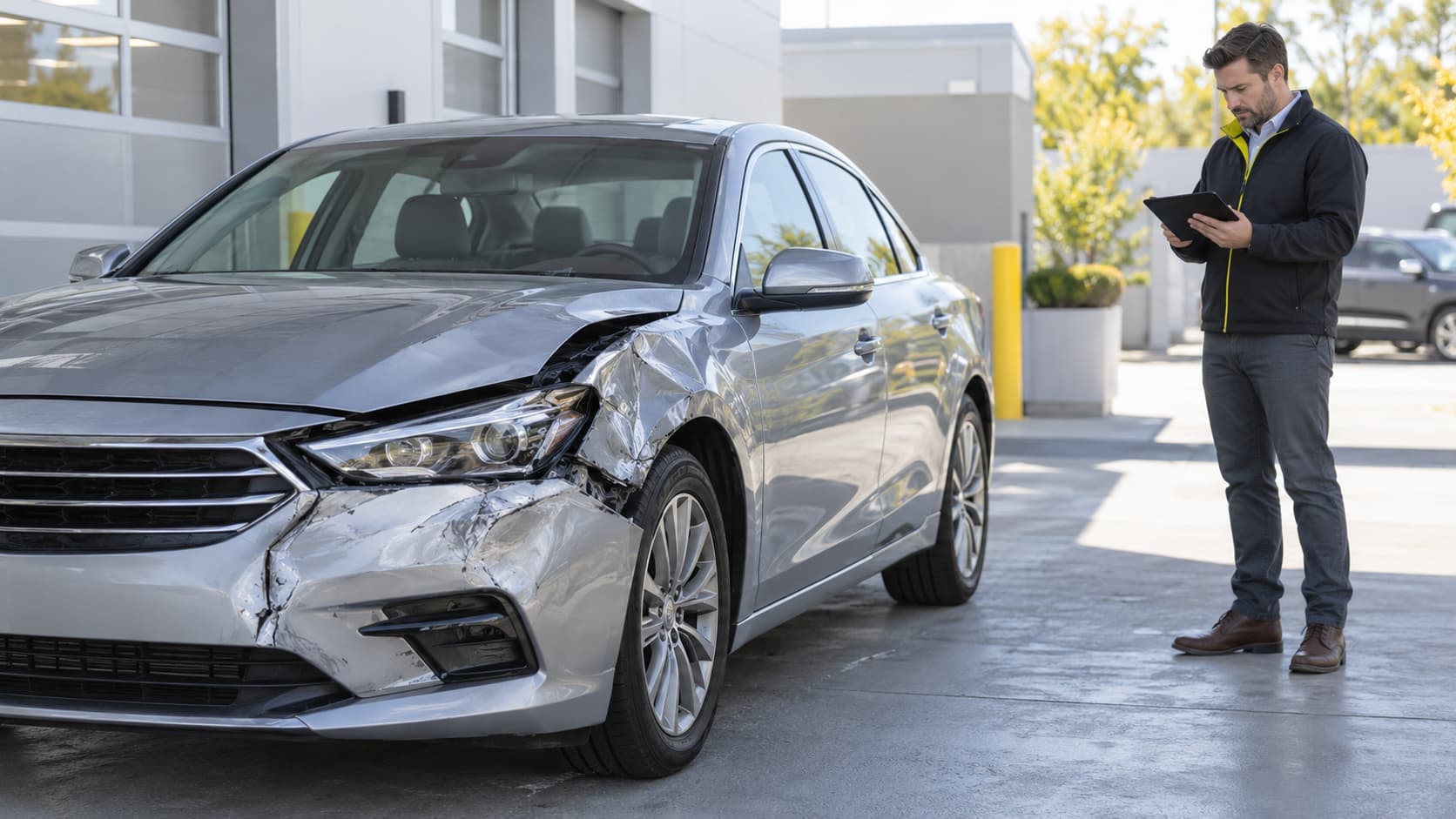
If a car with full coverage is totaled after a covered loss, the insurance company generally determines what the vehicle was worth immediately before the loss and uses that value to help calculate the settlement.
The process can vary depending on the policy, the type of loss, and whether the vehicle is financed or paid off. Here is what typically happens.
What Does It Mean When a Car Is Totaled?
A totaled car does not have to be completely destroyed.
A vehicle may be declared a total loss when the cost of repairing the damage is high compared with what the vehicle was worth before the loss. Instead of paying to repair the vehicle, the claim then moves into the total-loss settlement process.
How Is a Totaled Car Valued?
In Oklahoma, total-loss claims are generally based on a vehicle’s actual cash value, often called ACV. According to the Oklahoma Insurance Department, this is the value of the vehicle at the time of the loss.
Insurers may consider several details when determining that value, including:
- Year, make, and model
- Trim level
- Mileage
- Condition before the loss
- Factory options and equipment
- Vehicle history
- Prices of similar vehicles in the local market
Because of these factors, two vehicles with the same year, make, and model may still have different values.
For example, suppose a vehicle was purchased for $28,000 several years ago and is valued at $19,000 at the time of the loss. The $19,000 value would generally be the starting point for the total-loss settlement rather than the original purchase price.
An applicable deductible or other claim adjustment may also affect the final amount paid, depending on the policy and type of loss.
Can You Check What Your Car Is Worth Yourself?
It can be helpful to have a general idea of your vehicle’s value before or during the claims process.
Kelley Blue Book’s vehicle-value tool allows drivers to estimate a vehicle’s value using details such as the year, make, model, mileage, trim, equipment, condition, and location.
CARFAX History-Based Value also provides vehicle-value information based on details tied to the vehicle’s individual history, including mileage, ownership history, service records, and reported accidents.
These tools can help you get a clearer picture of your vehicle’s current market value and give you a useful reference point during the valuation process.
What If You Still Owe Money on the Totaled Car?
If the vehicle is financed, the lender will usually be involved in the settlement because it still has a financial interest in the car.
The loan balance and the insurance settlement are handled as separate amounts.
For example:
- Vehicle value: $18,000 before applicable claim adjustments
- Remaining loan balance: $21,000
In this situation, there may still be a remaining loan balance after the insurance settlement is applied.
GAP protection can be helpful in certain situations because it may cover an eligible difference between the total-loss settlement and the amount still owed. GAP is separate from comprehensive and collision coverage.
The way a lender and insurance policy work together is also important when reviewing full-coverage requirements for a financed car in Oklahoma.
What If the Totaled Car Is Paid Off?
If the vehicle is already paid off, the settlement can generally be handled directly with the vehicle owner because there is no lender involved.
That usually makes the process more straightforward. Once the claim valuation and other applicable details are completed, the settlement can move forward without an auto loan needing to be addressed.
What Happens After the Vehicle Is Totaled?
Once the vehicle has been declared a total loss, the insurance company will complete the valuation and provide information about the settlement.
If the vehicle is financed, the lender may be included in that process. The claims representative can also explain what happens with the vehicle itself and any title or ownership paperwork that may apply.
If you plan to replace the vehicle, this is also a good time to review your insurance and make sure the replacement vehicle is properly covered before you begin driving it.
Understanding the Value Helps You Know What to Expect
Knowing approximately what your vehicle is worth can make the total-loss process easier to follow.
Resources such as Kelley Blue Book and CARFAX can provide a useful starting point, while the insurance company handling the claim will complete the formal valuation based on the policy and circumstances of the loss.
For financed vehicles, it can also be helpful to know both the vehicle’s current value and the remaining loan balance before the settlement is completed.
Cheapest Auto Insurance can help Oklahoma drivers better understand comprehensive, collision, and other auto insurance coverage options before a loss happens.
Claims Note: Total-loss claims can be handled differently depending on the insurance company, policy, and details of the loss. Vehicle valuation methods, coverage decisions, deductibles, and settlement amounts may vary, so the specific process and outcome will be determined by the insurance company handling the claim.