
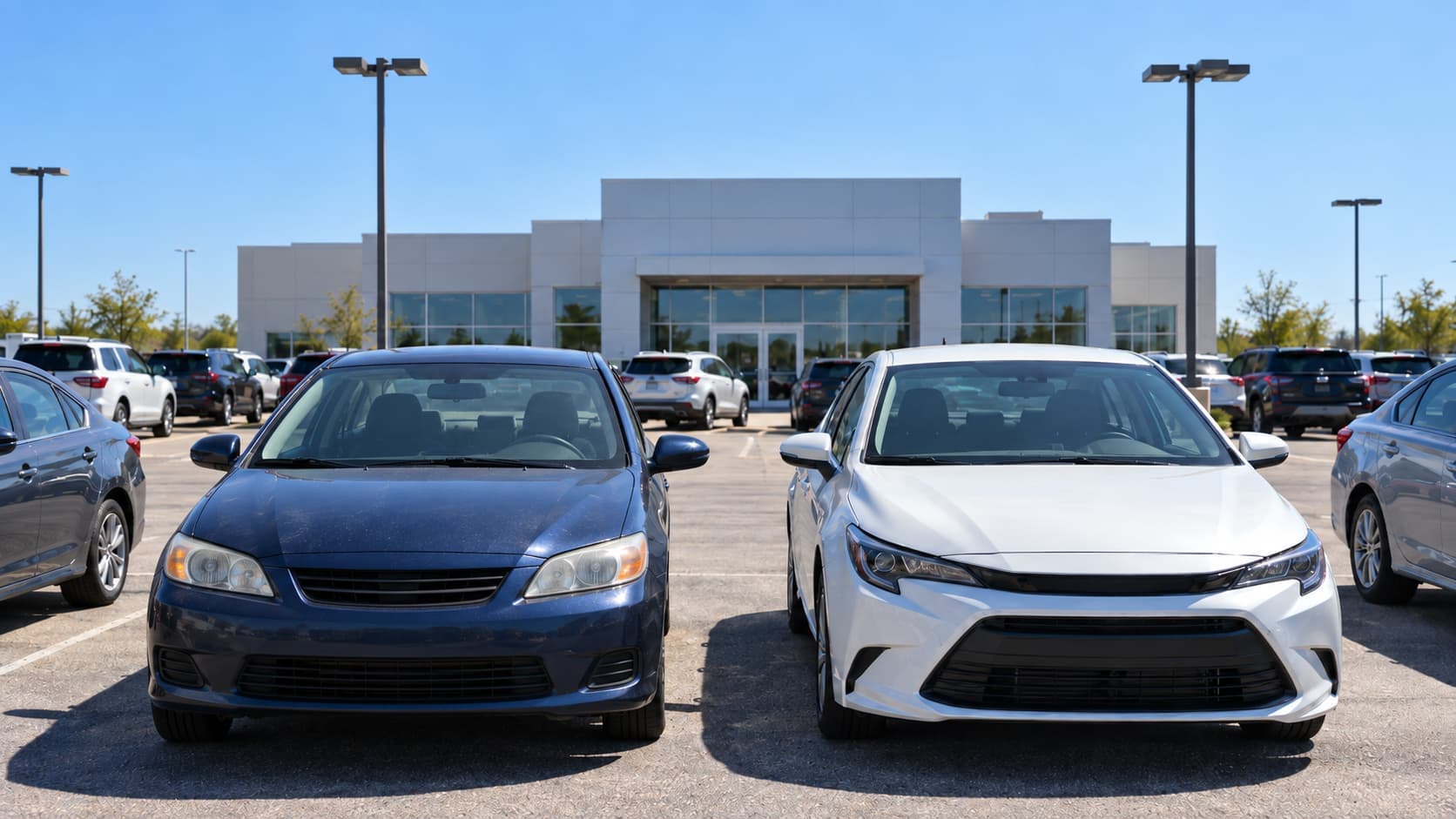
Trading in your car for a newer vehicle is an exciting step, and updating your insurance is an important part of the process. If you’re planning a trade-in at an Oklahoma City dealership, arranging your insurance change before the exchange helps ensure your replacement vehicle has the appropriate coverage when you’re ready to drive it home.
The process is usually straightforward, especially if you already have an active auto insurance policy. Knowing when to make the change and how your insurer handles vehicle replacements can help you move from your old car to your new one with confidence.
What Happens to Your Insurance When You Trade In a Car?
Most insurance companies allow you to replace one insured vehicle with another through a vehicle substitution. This means your existing policy remains active while the insurer updates the vehicle listed on it.
As part of the substitution, your insurer reviews the replacement vehicle’s information, applies the appropriate coverage, and calculates any changes to your premium. The new vehicle may have different coverage needs, particularly if you’re replacing a paid-off car with one that requires financing.
Your insurer can also coordinate when the traded-in vehicle is removed and when the replacement is added. Aligning these changes with the actual trade-in helps maintain continuous coverage as ownership and possession of the vehicles change.
When Should You Update Your Insurance During a Trade-In?
The best time to update your insurance is after selecting your replacement vehicle but before completing the trade-in.
Your insurer will need the replacement vehicle’s information, including its VIN, to review coverage and schedule the change. If the dealership changes the vehicle before the exchange, updating the VIN on your insurance quote helps ensure the final coverage and pricing reflect the car you’re purchasing.
| Stage | Insurance update |
| Before the trade-in | Provide the replacement vehicle’s details and request the policy change. |
| During the exchange | Confirm the replacement vehicle’s coverage is active before driving it home. |
| After the exchange | Check that the replacement is listed correctly and the traded-in vehicle has been removed. |
Confirm the effective date and time of the policy change before your dealership appointment, especially if you’re driving the replacement vehicle home the same day.
When Should You Remove the Traded-In Vehicle From Your Policy?
Your current vehicle should generally remain insured until the trade-in is complete and the dealership takes possession. If you’re driving your car to the dealership, its coverage should remain active for that trip.
Your insurer can coordinate removing the traded-in vehicle with adding its replacement. If you’re keeping both vehicles temporarily, review the coverage needed for each until the exchange is finalized.
Will Your Insurance Coverage Change With the Replacement Vehicle?
Your replacement vehicle may require different insurance coverage than the car you’re trading in. The changes depend on the vehicle, your coverage selections, and any financing requirements.
An older vehicle with minimum liability insurance may be replaced with a newer financed car that requires comprehensive and collision coverage. These coverages can be added when the policy is updated.
The replacement vehicle can also affect your premium. Insurance companies consider vehicle characteristics, coverage limits, deductibles, and other rating factors when calculating the new price. Your payment may increase or decrease.
Some policies include temporary coverage for newly acquired replacement vehicles. The terms and time limits vary by insurer, so confirm the coverage that applies before completing the exchange.
What Happens if Your Trade-In Is Delayed?
A dealership may need additional time to prepare the replacement vehicle, finalize financing, or complete delivery. If the trade-in date changes, your insurance update may need to be rescheduled.
If you planned to exchange vehicles on Friday but delivery moves to Monday, your current vehicle may need to remain insured through the weekend. The replacement vehicle’s coverage can be scheduled for the revised exchange date.
Contact your insurer with the updated date so the policy reflects when each vehicle is being used and when the replacement takes place.
What Should You Check After Replacing Your Vehicle?
After completing the trade-in, review your updated insurance documents to confirm the vehicle substitution was processed correctly. Your car insurance declarations page provides a summary of the insured vehicles, coverage selections, effective dates, and lienholder information.
Check the following details:
- Replacement vehicle: The year, make, model, and VIN match the vehicle you purchased.
- Effective date: Coverage began when you took possession of the replacement.
- Traded-in vehicle: The original vehicle was removed as requested.
- Coverage: The replacement has the liability, comprehensive, and collision coverage you selected.
- Lienholder: If the vehicle is financed, the lender’s information is correct.
Your updated insurance ID card should also list the replacement vehicle. You’ll need proof of Oklahoma insurance when completing the vehicle registration process for your newly purchased car.
Update Your Car Insurance When Trading In a Vehicle in Oklahoma City
Before completing your trade-in, confirm that your insurance reflects the replacement vehicle and that your coverage begins at the appropriate time. This allows you to complete the exchange knowing your updated policy matches your new car.
If you’re preparing to replace your vehicle, explore your car insurance options in Oklahoma City to review available coverage and get a quote for your replacement car.