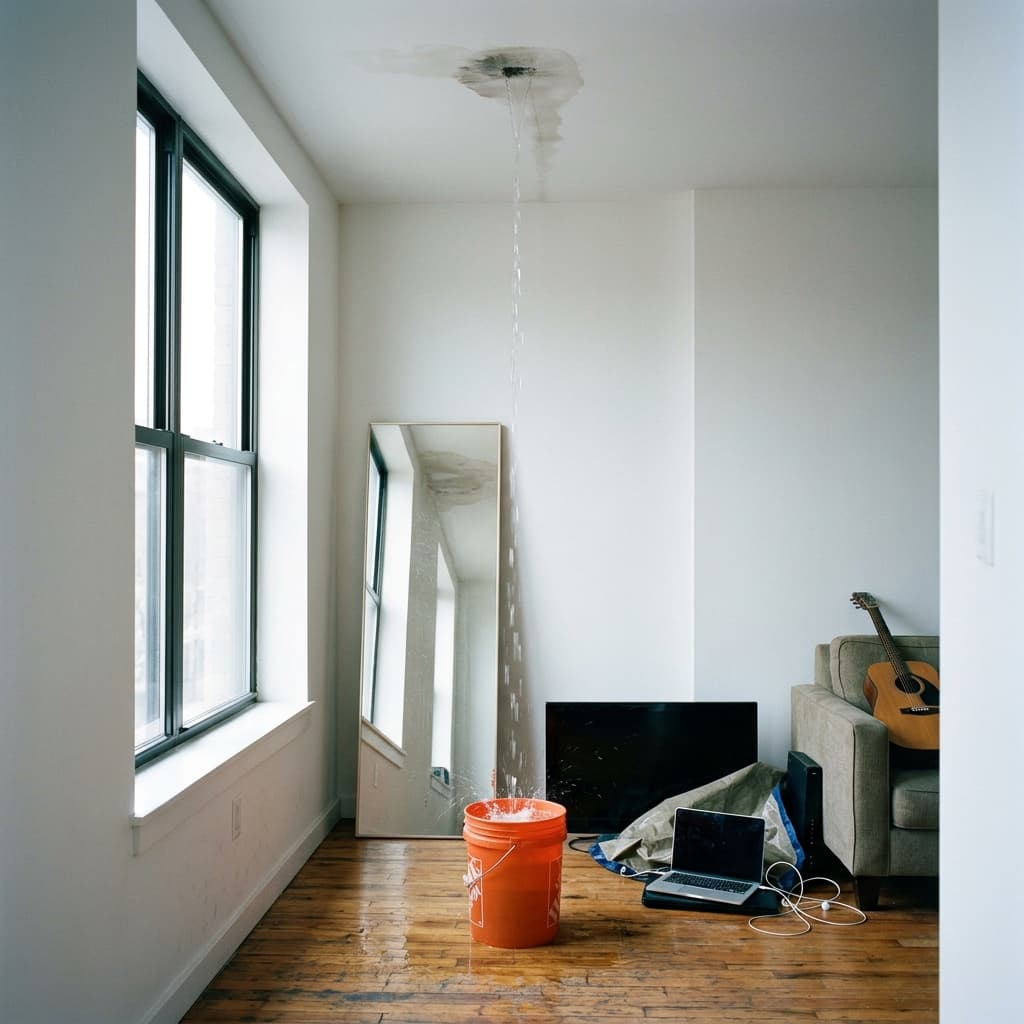
Does Renters Insurance Cover Water Damage? What Renters Should Know
Water damage is one of the most common reasons renters file insurance claims, but it's also one of the most misunderstood. Many people assume that if water damages their belongings, their renters insurance will automatically cover the loss. Others believe that any claim involving water is excluded.
The truth is more nuanced. Whether renters insurance covers water damage usually depends on where the water came from and how the damage occurred. In many cases, standard renters insurance helps protect your personal belongings when the damage is sudden and accidental. However, certain types of water damage are typically excluded.
Here's what renters insurance generally covers, what it usually doesn't, and what renters should know before filing a claim.
Does Renters Insurance Cover Water Damage?
In many situations, yes. Standard renters insurance typically covers water damage to your personal property when it's caused by a sudden and accidental event that's covered under your policy.
For example, coverage may apply if:
- A pipe suddenly bursts inside your apartment
- Your water heater unexpectedly leaks
- A washing machine hose suddenly fails
- An upstairs neighbor's overflowing bathtub damages your belongings
- A fire sprinkler activates during a covered fire
If your clothing, furniture, electronics, or other covered personal belongings are damaged by one of these unexpected events, your renters insurance may help pay to repair or replace those items, subject to your policy's limits, deductible, and terms.
It's important to remember that renters insurance generally protects your personal belongings, not the apartment building itself. Damage to the structure is typically covered by your landlord's property insurance.
What Types of Water Damage Are Usually Covered?
The key factor is whether the water damage resulted from a sudden and accidental event rather than an issue that developed gradually over time.
Some examples that are commonly covered include:
- Burst plumbing pipes
- Sudden water heater failures
- Accidental overflow from appliances
- Water released by a fire sprinkler system
- Water damage caused after firefighters extinguish a fire
- Water entering through a roof that was damaged during a covered windstorm
For example, if a pipe unexpectedly bursts while you're at work and water damages your couch, television, and area rug, your renters insurance may help cover those personal belongings if the loss is covered under your policy.
Likewise, if an upstairs neighbor accidentally leaves a bathtub running and water damages your furniture or electronics, your policy may provide coverage for your belongings even though the leak originated in another apartment.
Coverage can vary by insurance company and policy, so reviewing your individual policy is always recommended.
What Water Damage Isn't Usually Covered?
Not every type of water damage is covered under a standard renters insurance policy.
Common exclusions generally include:
- Flooding from heavy rainfall
- Overflowing rivers or streams
- Flash floods
- Storm surge
- Rising groundwater
- Long-term plumbing leaks
- Wear and tear
- Neglected maintenance
- Mold caused by ongoing moisture
- Sewer or drain backups (unless additional coverage has been purchased)
Insurance is designed to help protect against unexpected losses, not damage that develops slowly over weeks or months.
For example, if a small leak under a sink goes unnoticed for several months and eventually causes mold or rotted flooring, that damage is generally considered a maintenance issue rather than a sudden accidental loss.
Does Renters Insurance Cover Flood Damage?
In most cases, no.
Although flooding involves water, flood damage is generally not covered by a standard renters insurance policy.
Flood damage typically refers to water that enters your home from outside due to events such as:
- Heavy rainfall
- Flash flooding
- Overflowing creeks or rivers
- Storm surge
For example, if heavy rain causes water to enter your ground-floor apartment after nearby streets flood, damage to your furniture and personal belongings generally would not be covered under a standard renters insurance policy.
Separate flood insurance is typically needed for this type of loss.
Does Renters Insurance Cover Water Damage From an Upstairs Neighbor?
It often can.
If an upstairs neighbor accidentally causes water to leak into your apartment—such as by overflowing a bathtub or experiencing a burst pipe—your renters insurance may help cover damage to your personal belongings if the loss is covered under your policy.
Depending on how the incident occurred, the insurance companies involved may determine whether another party is responsible for the damage. Even so, many renters begin by filing a claim with their own insurance company, which can then investigate the circumstances of the loss.
Every claim is different, and responsibility depends on the facts surrounding the incident.
Does Renters Insurance Cover Damage From a Burst Pipe?
Burst pipes are one of the most common examples of water damage that renters insurance may cover.
If a plumbing pipe suddenly bursts and damages your clothing, furniture, electronics, or other covered belongings, your policy may help pay to repair or replace those items after your deductible.
If the apartment becomes temporarily uninhabitable because of a covered loss, many renters insurance policies also include additional living expenses (ALE) coverage. This may help pay for reasonable temporary housing, meals, or other covered expenses while repairs are being completed, subject to your policy's terms and limits.
What Should You Do After Water Damage?
Taking the right steps after water damage can make the claims process smoother.
If it's safe to do so:
- Stop the source of the water if possible.
- Notify your landlord as soon as practical.
- Take photos and videos of the damage before cleaning up.
- Move undamaged belongings to a dry location.
- Contact your insurance company to report the loss.
- Keep receipts for emergency expenses if your policy may reimburse them.
- Avoid throwing away damaged items until your insurance company advises it's appropriate.
Keeping an inventory of your belongings before a loss occurs can also make documenting your claim much easier.
How to Know Whether Your Policy Covers Water Damage
Not every renters insurance policy is identical, so it's worth reviewing your coverage before you ever need to file a claim.
A few things to check include:
- Your personal property coverage limits
- Your deductible
- Whether your policy provides replacement cost or actual cash value coverage
- Any exclusions that apply to water damage
- Whether optional water backup coverage is available
- Your additional living expense limits
If you're unsure how your policy handles water-related claims, speaking with your insurance agent can help you better understand what's covered and whether additional protection makes sense for your situation.
Protect Your Belongings Before Water Damage Happens
Water damage can happen without warning, whether it's a burst pipe, an appliance failure, or an accident in a neighboring apartment. Understanding what your renters insurance covers before a loss occurs can help you avoid unexpected surprises during the claims process.
If you're shopping for renters insurance in Oklahoma or want to review your current coverage, speaking with an experienced insurance agent can help you compare policies, understand your coverage options, and choose protection that fits both your needs and your budget. Call Cheapest Auto Insurance today! (918)-744-5145