
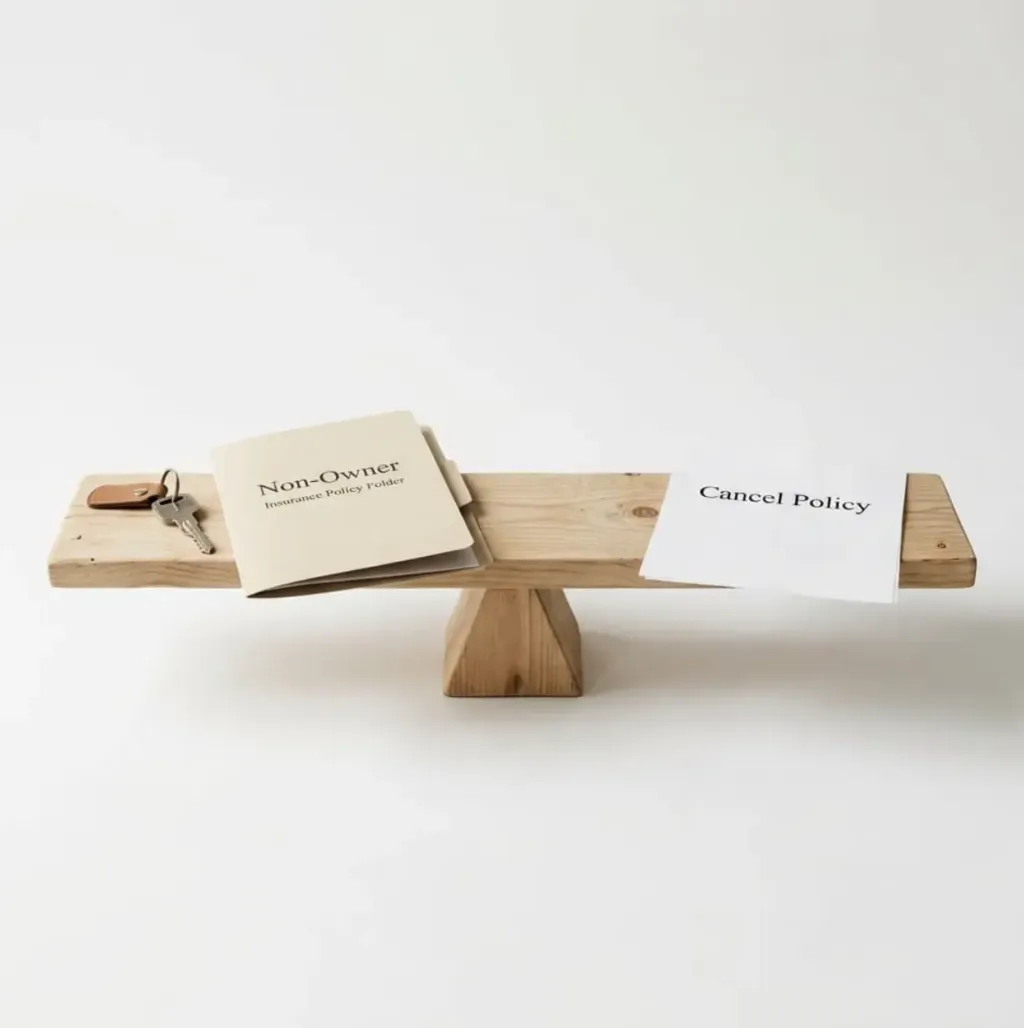
Selling your vehicle often means you no longer need a standard auto insurance policy. For many drivers, the next step seems obvious: cancel the policy and wait until it’s time to insure another car.
However, letting your auto insurance coverage lapse isn’t always the best option.
If you expect to buy another vehicle soon or occasionally drive a borrowed vehicle, maintaining liability coverage through a non-owner car insurance policy may make more sense than allowing your insurance history to end altogether.
This guide explains what happens when your coverage lapses, when a non-owner policy may be the better choice, and how to decide which option fits your situation.
What Happens When You Let Your Auto Insurance Coverage Lapse?
A coverage lapse occurs when your auto insurance policy ends and you no longer have active insurance.
There are plenty of legitimate reasons this happens. You may have sold your vehicle, moved to an area where you no longer need a car, or simply be waiting to purchase your next vehicle. In many cases, a lapse isn’t the result of missing a payment—it simply reflects a change in your circumstances.
Before canceling your policy, though, it’s worth considering what comes next.
Many insurance companies review a driver’s insurance history when providing a quote for a new policy. Depending on the insurer, maintaining continuous coverage may be one of several factors considered during the quoting process.
If you’re only going to be without a vehicle for a short period of time, replacing your current policy with non-owner car insurance may be worth exploring instead of allowing your coverage to end.
If you’re currently between vehicles because your previous policy ended unexpectedly, our guide on My Car Insurance Lapsed: Can I Reinstate My Policy in Oklahoma City? explains what your options may look like when you’re ready to get insured again.
Is a Non-Owner Policy or a Coverage Lapse the Better Fit?
The right choice depends on what you expect your driving situation to look like over the next few weeks or months. If you still plan to drive occasionally or purchase another vehicle soon, maintaining liability coverage through a non-owner policy may be worth considering. On the other hand, if you no longer plan to drive at all, allowing your coverage to end may be the more appropriate option.
The comparison below can help you decide which situation best matches your plans.
| Your Situation | Non-Owner Policy | Let Coverage Lapse |
|---|---|---|
| You’re shopping for another vehicle | ✅ Recommended to consider | ❌ May not be ideal |
| You occasionally borrow a friend or family member’s vehicle | ✅ Recommended to consider | ❌ May leave you without liability coverage |
| You expect to own another vehicle within the next few months | ✅ Often worth comparing | ❌ May create a gap in insurance history |
| You no longer drive and don’t plan to borrow a vehicle | ❌ Usually unnecessary | ✅ May be appropriate |
| You won’t need auto insurance for the foreseeable future | ❌ Usually unnecessary | ✅ May be appropriate |
Keep in mind: Every driver’s situation is different. A non-owner policy isn’t designed for everyone, and allowing your coverage to lapse isn’t always the wrong decision. Your future driving plans, how often you expect to drive, and whether you’ll purchase another vehicle are all important factors to consider before making a decision.
When a Non-Owner Policy May Be the Better Option
Non-owner car insurance is designed for people who don’t currently own a vehicle but still need liability coverage while driving vehicles they don’t own.
Unlike a traditional auto insurance policy, a non-owner policy doesn’t insure a specific car. Instead, it provides liability coverage for the driver when they occasionally operate an eligible borrowed vehicle.
For many drivers, this type of coverage serves as a temporary bridge between owning one vehicle and purchasing the next.
While every situation is different, non-owner insurance is often considered by drivers who:
- Recently sold their vehicle
- Plan to purchase another vehicle soon
- Occasionally borrow a friend or family member’s vehicle
- Want to maintain continuous insurance while between vehicles
If you’re unfamiliar with how this type of policy works, our article Non Owner Car Insurance Oklahoma: Who Needs It and Why explains who typically qualifies and when this coverage may be appropriate.
Situations Where Keeping Coverage May Make Sense
The decision to replace your current policy with a non-owner policy depends largely on how you expect to drive over the coming weeks or months.
Here are several situations where maintaining coverage may be worth considering.
You’re Shopping for Another Vehicle
Many drivers sell one vehicle before purchasing the next.
Whether you’re waiting on financing, shopping for the right vehicle, or simply taking your time before making another purchase, you may still expect to own a car again in the near future.
Instead of canceling your insurance altogether, a non-owner policy can help provide liability coverage during the transition until you’re ready to insure your next vehicle.
Once you purchase another car, your non-owner policy would typically be replaced with a standard auto insurance policy that specifically covers your new vehicle.
You Occasionally Borrow Someone Else’s Vehicle
Not everyone without a vehicle stops driving completely.
Some people borrow a parent’s vehicle for errands, use a friend’s car once in a while, or occasionally drive a family member’s vehicle when needed.
If those situations apply to you, a non-owner policy may provide liability coverage while you’re driving eligible borrowed vehicles.
It’s important to remember that non-owner insurance is generally intended for occasional use. Drivers who have regular access to the same vehicle may need a different type of policy depending on the circumstances.
You Want to Maintain Continuous Insurance History
Insurance companies consider many factors when determining eligibility and pricing for a new policy. Driving history, vehicle information, location, coverage selections, and insurance history may all play a role depending on the insurer.
Because of that, some drivers choose to maintain continuous insurance even while they don’t currently own a vehicle.
While maintaining continuous coverage doesn’t guarantee lower premiums or eligibility with every company, it may help avoid an interruption in your insurance history while you’re between vehicles.
If you’re planning to compare policies once you purchase another car, understanding How to Compare a Car and Auto Insurance Quote for Oklahoma Drivers the Right Way can also help you evaluate your options more effectively.
You’re Temporarily Without a Vehicle
Selling your vehicle isn’t the only reason someone may be without a car.
You might be:
- Waiting for a replacement vehicle to arrive
- Between lease agreements
- Relocating
- Taking time before purchasing another vehicle
If you still expect to drive occasionally during that period, replacing your current policy with non-owner coverage may make more sense than ending your insurance entirely.
The key question isn’t simply whether you own a vehicle—it’s whether you’ll continue driving before purchasing your next one.
When Letting Your Coverage Lapse May Be the Right Decision
Non-owner insurance isn’t necessary for everyone.
If you won’t be driving at all for an extended period and don’t expect to borrow vehicles or purchase another car anytime soon, allowing your policy to end may be a reasonable decision.
For example, you may not need a non-owner policy if:
- You no longer drive.
- You won’t be borrowing anyone else’s vehicle.
- You don’t expect to purchase another vehicle for the foreseeable future.
- You have no ongoing need for liability coverage.
Every driver’s situation is different, so it’s important to think about your future driving plans rather than automatically replacing your current policy.
Questions to Ask Before Canceling Your Current Policy
Before contacting your insurance company to cancel your coverage, ask yourself a few simple questions.
- Am I planning to purchase another vehicle within the next few months?
- Will I occasionally borrow someone else’s vehicle?
- Will I still need liability coverage while I’m between vehicles?
- Would maintaining continuous insurance better fit my long-term plans?
- Have I compared whether a non-owner policy is available for my situation?
Answering these questions before your policy expires can help you make a more informed decision rather than rushing to cancel coverage simply because you no longer own a vehicle.
If you’re unsure whether a non-owner policy or a traditional policy will better fit your next vehicle purchase, it’s also helpful to understand Car Insurance Quotes Explained (How to Get the Best Rate) before shopping for new coverage.
Reviewing Your Options Before Your Policy Ends
Selling your vehicle, planning to purchase another one, or finding yourself between cars are all good reasons to review your auto insurance coverage. While letting your policy lapse may make sense in some situations, drivers who still expect to borrow vehicles or purchase another car in the near future may benefit from comparing a non-owner policy before making a decision.
Talk with one of our licensed agents to review your current situation, compare your coverage options, and determine whether a non-owner policy is the right fit for your needs. They can answer your questions, explain how the coverage works, and help you choose the option that best matches your future driving plans.
Contact us today for a fast, free quote.