
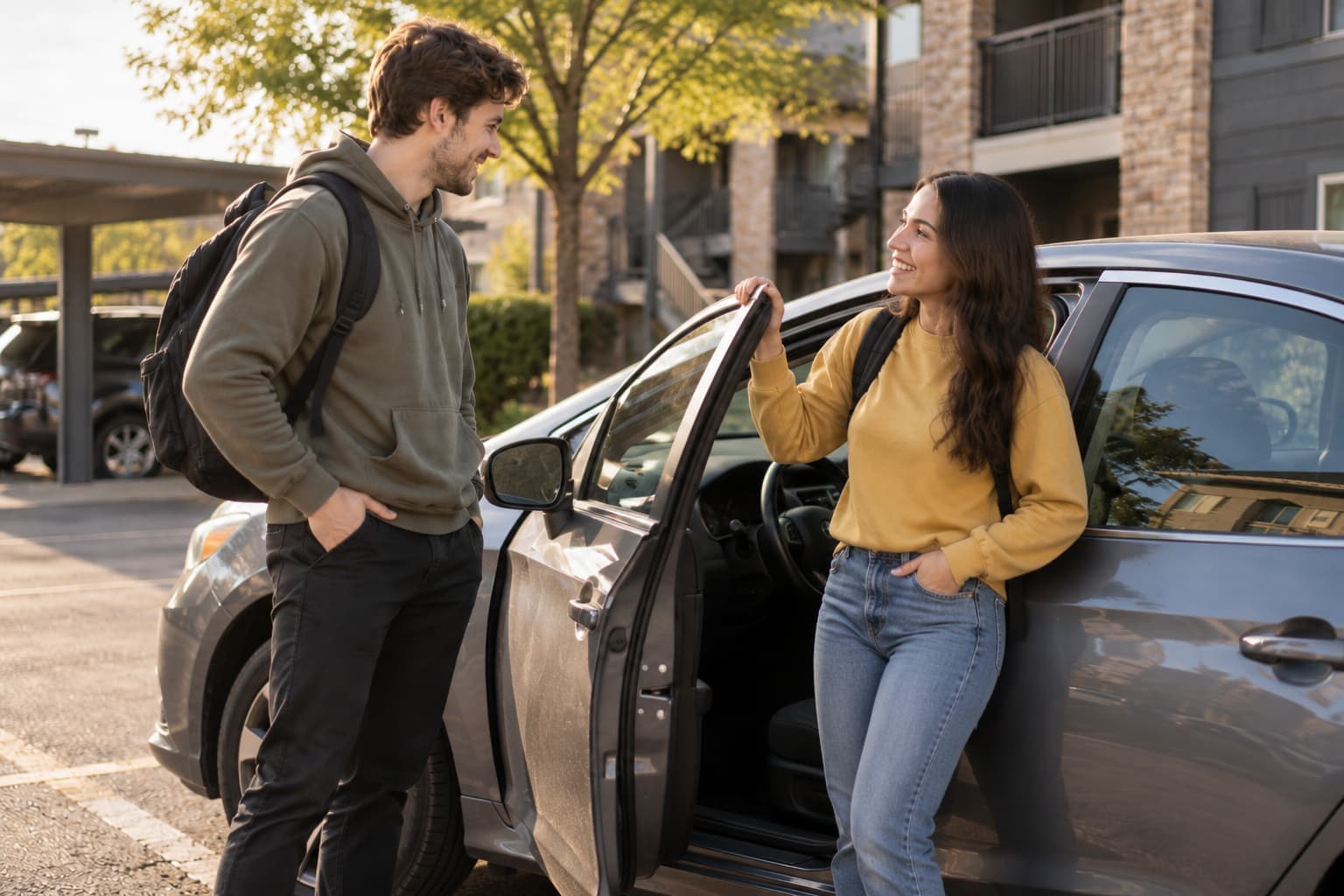
If someone who is not listed on your car insurance causes an accident in your vehicle, the insurance company will usually need to review the situation before determining how the policy applies.
They may look at whether the driver had permission, how often they use the vehicle, whether they live with you, and whether they were specifically excluded from the policy.
If someone regularly uses your car, keeping them properly listed can make these questions much easier to address.
What Is an Unlisted Driver?
An unlisted driver is someone who drives an insured vehicle but is not currently shown as a driver on the policy.
That could be:
- A friend borrowing the car
- A roommate using it occasionally
- A spouse or partner
- A teenager who recently started driving
- An adult child living at home
- Another household member with access to the vehicle
How often the person drives the car can matter.
Someone borrowing your vehicle once is different from someone who uses it every week.
What Happens After an Unlisted Driver Causes an Accident?
Once the accident is reported, the insurer may review several details before deciding how the policy applies.
Step 1: Confirm Who Was Driving
The insurance company will want to know who was operating the vehicle when the accident happened.
They may also ask about that person’s relationship to the policyholder.
Step 2: Review Permission
The insurer may ask whether the driver had permission to use the vehicle.
A person who borrowed the car with permission can be treated differently from someone who used it without permission.
Step 3: Look at How Often They Drive the Car
Frequency of use can be important.
A friend borrowing your car for one trip is different from a roommate, partner, or family member who uses it regularly.
Step 4: Check the Driver’s Policy Status
The insurer may review whether the person was:
- Listed on the policy
- Unlisted
- A household member
- A regular driver
- Specifically excluded
The policy terms will help determine what coverage may apply. If the driver caused injuries or property damage, the insurer may also review how your liability car insurance in Oklahoma applies to the accident.
Different losses can also fall under different parts of an auto policy. Which car insurance coverage applies after an accident can depend on who was injured, what property was damaged, and the coverage included on the policy.
When Should Another Driver Be Added to Your Policy?
When someone starts using your vehicle regularly, review your policy.
This is especially important when the driver is a:
- Spouse or partner
- Teen driver
- Roommate
- Adult child
- Parent
- Relative living in the household
- Person who regularly borrows the vehicle
Your insurance company can tell you how that person should be handled.
They may need to be added, listed, rated, or addressed another way depending on the company and policy.
The Oklahoma Insurance Department recommends including all drivers when completing an auto insurance quote. Its guidance also explains that failing to disclose household drivers can lead to additional premium, cancellation, or nonrenewal if an undisclosed household driver is involved in an accident.
Providing accurate driver information from the beginning helps keep the policy aligned with how the vehicle is actually being used.
Occasional Use vs. Regular Use
The difference is easier to see with a few examples.
Occasional use:
Your brother’s car is in the repair shop, so he borrows yours once.
Regular use:
Your roommate drives your car to work every Friday.
Changing use:
Your teenager starts by practicing with you but later begins driving the vehicle independently.
Household use:
Your adult child moves back home and begins sharing the family car.
When someone’s use of the vehicle becomes regular, that is a good time to review the driver list.
A roommate who regularly uses your vehicle, for example, may need to be handled differently from someone who borrows the car for an occasional trip.
What If the Driver Lives With You?
Household drivers are worth reviewing because they may have regular access to the vehicle.
One roommate may have their own car and never use yours. Another may borrow your vehicle several times a week.
Give your insurance company a clear picture of:
- Who lives in the household
- Who drives the vehicle
- How often they use it
- Who has regular access to the keys
When getting or updating coverage, it also helps to have driver information ready for everyone who uses the vehicle. The National Association of Insurance Commissioners recommends including all drivers when completing an auto insurance quote.
From there, the insurer can explain who should be listed on the policy.
What If the Driver Is Excluded?
An excluded driver is different from someone who is simply unlisted.
An excluded driver has been specifically identified in the policy as someone whose use of the insured vehicle is not covered under the policy terms.
Knowing who is listed and who is excluded can help avoid confusion about how the policy applies. If you are unsure about a driver’s status, review your policy or ask your insurance agent to explain how that person is listed.
Keep Your Driver List Current
Driving arrangements can change quickly.
A teenager starts driving. A roommate begins using the car more often. A partner starts sharing the vehicle. An adult child moves back home.
When that happens, reviewing the driver list is a simple way to keep the policy current.
A few common situations:
| Situation | What to do |
| Friend occasionally borrows your car | Check how your policy handles occasional drivers |
| Roommate starts using the car regularly | Ask how the roommate should be listed |
| Teenager begins driving | Update the policy when they start using the vehicle |
| Partner regularly uses your car | Make sure the insurer knows |
| Adult child moves home and drives the car | Review the driver list |
| Driver is specifically excluded | Make sure they use a vehicle with appropriate coverage |
How to Add or Update a Driver
Updating driver information is usually straightforward.
Step 1: Contact Your Insurance Company
Let them know someone new is using the vehicle.
Step 2: Explain the Driving Arrangement
Tell them:
- Who the person is
- Whether they live with you
- How often they drive
- Which vehicle they use
Step 3: Review How the Driver Should Be Listed
The company can explain whether the person needs to be added, rated, listed, or handled another way.
Step 4: Review the Updated Policy
Once the change is made, check the updated driver information and premium.
Keeping that information accurate can make it easier to understand how the policy applies if an accident happens later.
Frequently Asked Questions
Can I update the drivers on my policy at any time?
Yes. Driver information can usually be updated when your household or driving situation changes. If someone starts using your vehicle, especially on a regular basis, contact your insurance company so the policy can be updated if needed.
Should I tell my insurance company if someone else drives my car regularly?
Yes. If another person regularly uses your vehicle, let your insurance company know. They can review the situation and determine whether that person should be added, listed, rated, or handled another way under the policy.
When should another driver be added to my policy?
Review your policy when someone begins driving your vehicle regularly, starts sharing the car, or becomes a new household driver. Keeping your driver information current helps the policy reflect who actually uses the vehicle.
Review Your Drivers When Driving Habits Change
As driving habits change, the people listed on your policy may need to change too.
If someone new starts driving your car or a current driver begins using it more often, Cheapest Auto Insurance can help you review your policy and determine how that person should be listed.
Keeping your driver information current starts with a quick policy review. Contact our team today to make sure your policy reflects how your vehicle is being used.