
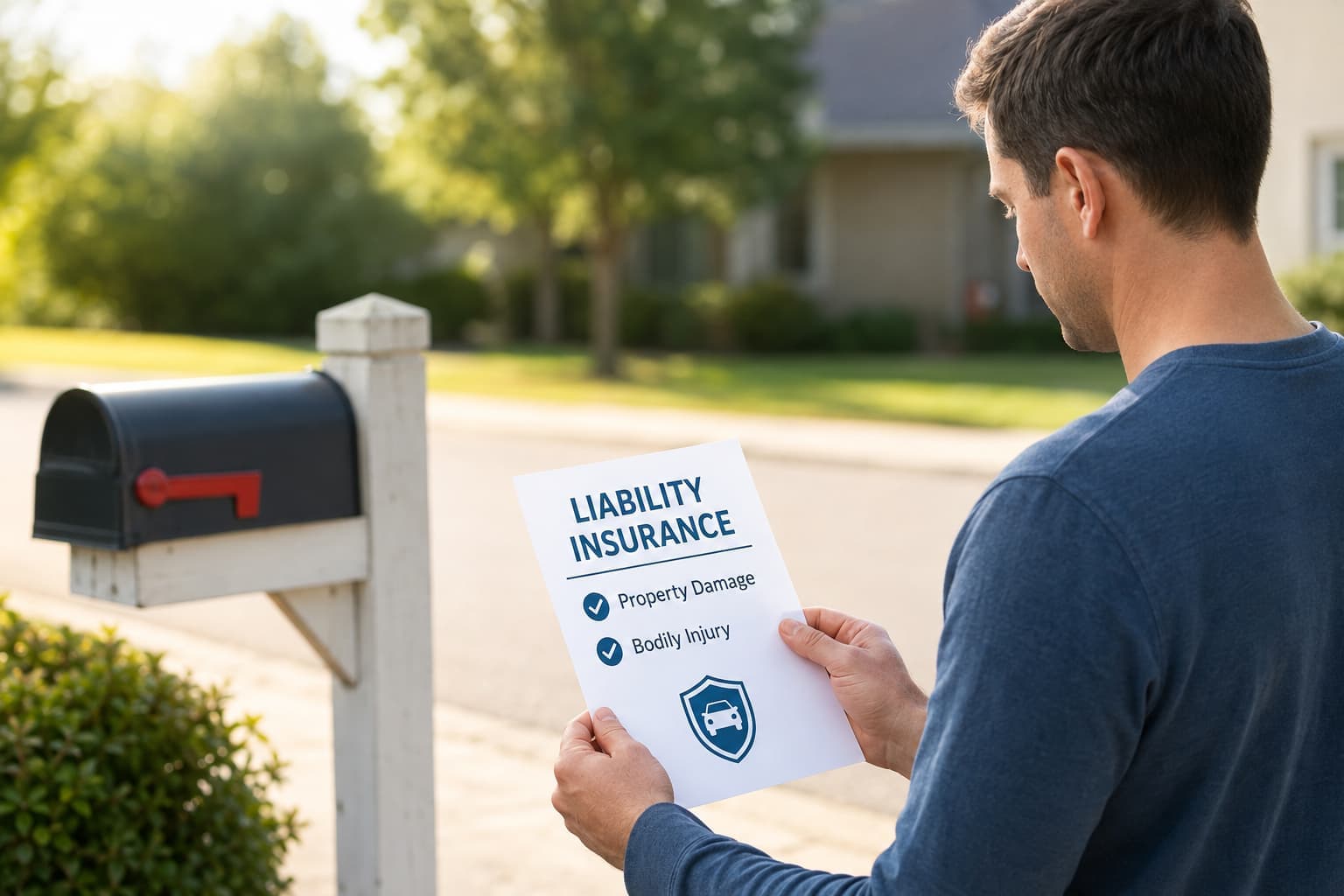
When most people think about liability car insurance, they picture paying for damage to another driver’s vehicle after an accident.
They’re right—but that’s only part of the story.
What if you accidentally damaged a neighbor’s mailbox? Hit a guardrail? Knocked down a street sign? Or struck a utility pole?
Those situations don’t involve another vehicle, but they can still result in property damage claims.
Liability insurance may also help pay for covered damage to these types of property, as well as covered injuries to other people, if you’re legally responsible for the accident, subject to your policy’s terms and limits.
Understanding what liability insurance may cover beyond another vehicle can give you a better picture of how this coverage works before you ever need to use it.
Let’s take a look at a few situations every Del City driver should know about.
Liability Insurance Doesn’t Stop at Another Vehicle
It’s easy to assume every liability claim involves two vehicles.
In reality, accidents can damage many different types of property.
For example, a vehicle might leave the roadway, strike a fence, hit a traffic sign, or damage a utility pole. While these situations don’t always involve another car, they can still result in property damage claims.
That’s why Oklahoma liability insurance includes property damage liability—it’s designed to address covered damage to property, not just another vehicle.
It May Help Cover Mailboxes, Fences, and Other Residential Property
Some of the most common property damage claims don’t happen on busy roads.
Imagine backing out of a driveway in Del City and accidentally hitting your neighbor’s mailbox. Or maybe you lose control on a rainy day and damage part of a residential fence.
Neither accident involves another vehicle, but both involve someone else’s property.
Depending on the circumstances and your policy’s terms and limits, property damage liability may help pay for covered damage to property like this.
It May Help Cover Guardrails, Street Signs, and Utility Poles
Public property can also be damaged during an accident.
Imagine swerving to avoid another vehicle and striking a guardrail along the roadway. Or perhaps your vehicle slides into a street sign or utility pole after losing traction during heavy rain.
Repairing public property can be expensive, and these situations often surprise drivers who assume liability insurance only applies to another person’s vehicle.
Property damage liability may also help cover these types of covered losses when you’re legally responsible for the accident.
It May Help Cover Buildings and Other Structures
Not every accident ends in the roadway.
A vehicle could accidentally strike:
- A garage
- A business storefront
- A retaining wall
- A storage building
- A business sign
Although these situations are less common than vehicle-to-vehicle accidents, they’re still examples of property damage claims that liability insurance may help cover, subject to your policy’s terms and limits.
Liability Insurance May Also Help Cover Injuries to Other People
Property damage is only one part of liability insurance.
If another person is injured in an accident you’re responsible for, bodily injury liability may also help pay covered claims, subject to your policy’s limits.
That could include injuries to:
- Another driver
- A passenger in another vehicle
- A Pedestrian
- A Bicyclist
Although many drivers associate liability insurance with vehicle repairs, it can also apply to covered bodily injury claims arising from the same accident.
One Accident Can Involve More Than One Type of Claim
Many accidents involve more than a damaged vehicle.
Imagine you’re driving through Del City when you accidentally strike another car at an intersection. The impact pushes that vehicle into a nearby fence, and a passenger reports an injury.
In that one accident, there may be claims involving:
- Damage to another vehicle
- Damage to private property
- Bodily injury to another person
That’s why understanding the different parts of liability insurance is important. A single accident can involve multiple types of covered claims, not just vehicle repairs.
Understanding Your Liability Coverage Before an Accident Happens
Most drivers don’t think much about liability insurance until they need it.
Taking a few minutes to understand what your policy may cover can help you better understand your insurance, ask informed questions, and know what to expect if you’re ever involved in an accident.
Knowing that liability insurance may extend beyond another vehicle gives you a more complete picture of how this coverage works.
Questions About Liability Insurance? We’re Here to Help.
If you have questions about liability insurance or Oklahoma’s minimum liability requirements, Cheapest Auto Insurance is here to help.
We’ll explain how liability insurance works, answer your questions, and help you better understand your available coverage options so you can choose a policy that fits your needs.
Frequently Asked Questions
Does liability insurance cover another person’s car?
Yes. If you’re legally responsible for an accident, liability insurance helps pay covered damage to another person’s vehicle, subject to your policy’s terms, conditions, and limits. It also applies to other types of covered property, including mailboxes, fences, guardrails, utility poles, street signs, buildings, and more.
Can liability insurance cover damage to a mailbox, fence, or guardrail?
It may. If you’re legally responsible for damaging another person’s property or certain types of public property, property damage liability may help pay covered claims involving items such as mailboxes, fences, guardrails, street signs, utility poles, and similar property, subject to your policy’s terms and limits.
Does liability insurance cover injuries to other people?
Yes. Bodily injury liability may help pay covered injury claims involving another driver, passengers, pedestrians, bicyclists, or other people who are injured in an accident you’re legally responsible for, subject to your policy’s terms and limits.
Does liability insurance cover my own vehicle?
Generally, no. Liability insurance is designed to help pay covered claims involving injuries or property damage you cause to others. Damage to your own vehicle depends on the coverages included in your policy.