
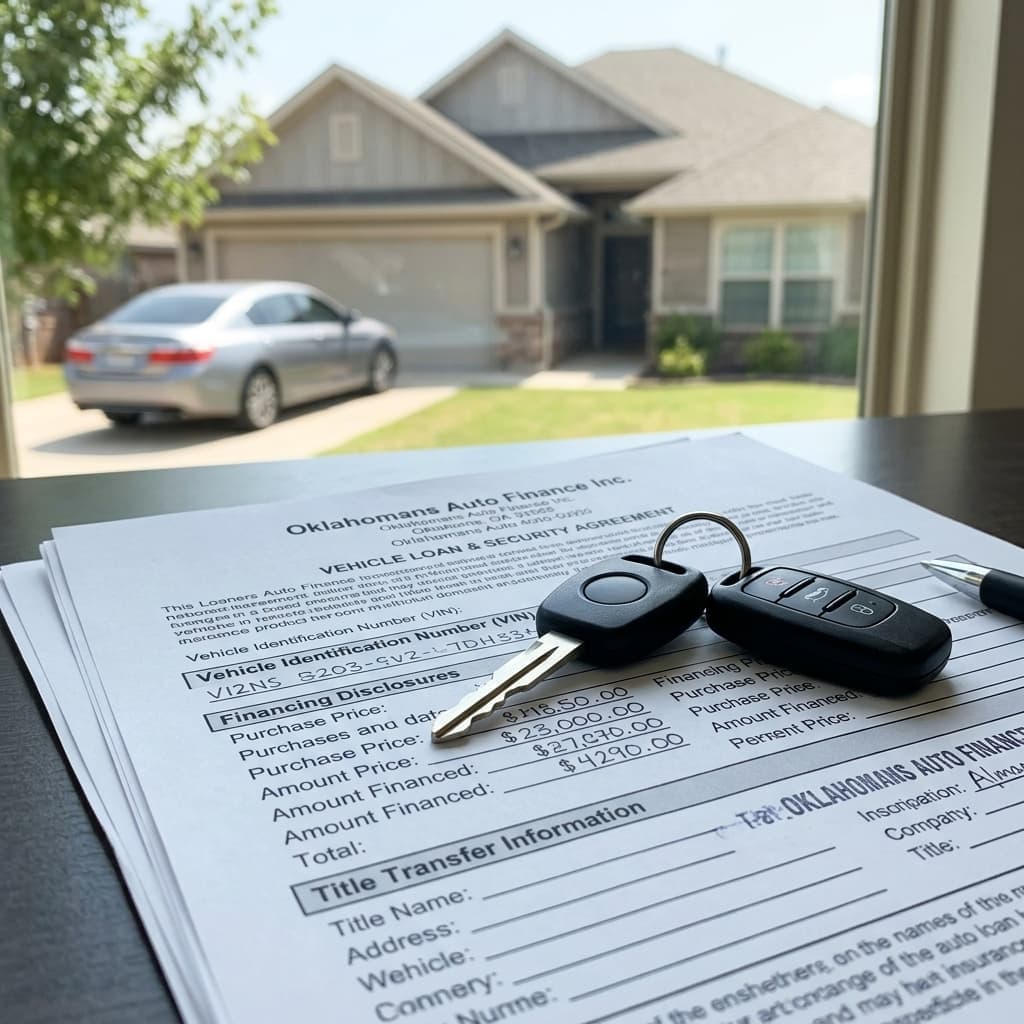
The suspension notice arrives, and the math gets uncomfortable fast.
The car payment doesn’t pause because the license did. The Altima still sits in the driveway off Sunnylane through every spring storm, and somewhere in the loan paperwork is a line requiring full coverage until the last payment clears.
This is the situation behind many Del City searches for full coverage car insurance with no license, and it comes with a temptation that feels like common sense: if nobody’s driving the car, why keep paying to insure it?
The answer is the one lesson worth carrying through the entire situation: a driver’s license determines who can legally operate the vehicle, but it doesn’t change what the car is worth, what the lender requires, or what can happen to it while it’s parked. Full coverage is designed to protect those interests whether or not the owner is currently behind the wheel.
The Lender’s Requirement Doesn’t Pause With Your License
If your vehicle is financed, the lender’s interest in it doesn’t disappear because your license is suspended or you don’t currently have one.
The vehicle remains the collateral for the loan, which is why lenders typically require comprehensive and collision coverage until the loan is paid off.
Allowing that coverage to lapse can create much bigger problems than the premium you were trying to save. Depending on your loan agreement, the lender may purchase collateral protection insurance (sometimes called CPI or force-placed insurance) to protect its financial interest, or a lapse could put you in violation of your loan terms.
If keeping full coverage has become difficult financially, contact your lender before making changes. Understanding how a lapse could affect your loan is almost always better than finding out after the coverage has already ended.
What Full Coverage Is Protecting While the Car Sits
A parked car isn’t a risk-free car.
Vehicles throughout Del City spend plenty of time parked in driveways, apartment lots, and curbside spaces, where they’re still exposed to theft, vandalism, hail, falling tree limbs, and Oklahoma’s unpredictable spring storms.
That’s where comprehensive coverage often does its most important work.
Even when the vehicle isn’t being driven, it still has value worth protecting.
Collision coverage becomes important whenever someone is legally driving the vehicle. If a licensed household member is using it while you’re unable to drive, that protection continues to matter just as much as it did before your license changed.
Why Insurance Companies Ask About Your License Status
Many people assume that telling an insurance company they don’t have a valid license automatically means they’ll be denied coverage.
That’s not necessarily the case.
Insurance companies ask about your license status because they need to understand who owns the vehicle, who will be driving it, and how the policy should be written.
Those answers affect the way the policy is structured, but they don’t automatically prevent someone from insuring a vehicle they own.
Being upfront about your situation helps your agent recommend the policy that best matches your circumstances and reduces the chance of problems if a claim ever occurs.
Who’s Actually on the Policy When the Owner Can’t Drive
Insuring a vehicle when the owner can’t legally drive isn’t unusual, and insurance companies have different ways of handling these situations.
In many households, the vehicle continues to be driven by someone else—a spouse commuting to Tinker Air Force Base, an adult child handling errands, or another licensed family member. That person is typically listed as the driver on the policy.
In other situations, the vehicle may simply remain parked until the owner’s driving privileges return. Some insurance companies can structure policies around a non-driving owner, while others may have different underwriting requirements.
Exactly how these situations are handled varies by insurance company, which is why honesty during the quote process matters. Clearly explaining who owns the vehicle, who will be driving it, and the current license situation helps ensure the policy is set up correctly from the beginning.
Getting It Set Up—and Getting Back on the Road
Getting a quote usually goes much more smoothly if you have three things ready:
- Your loan and lienholder information.
- Your current license status.
- The name and driver’s license information for anyone who will be driving the vehicle.
That’s often all an agent needs to begin exploring your options.
It’s a conversation we have with Del City drivers regularly at Cheapest Auto Insurance because suspended-license and unlicensed-owner situations are exactly the types of policies many non-standard insurance companies are designed to accommodate.
When your circumstances change—whether your driving privileges are restored or someone else begins driving the vehicle—the policy can usually be updated to reflect your new situation.
No-License Coverage Questions Del City Drivers Ask
Can I get full coverage on a car if I don’t have a license?
Often, yes. Many insurance companies can insure a vehicle owned by someone without a valid driver’s license, although the policy may need to be structured differently depending on who will be driving the vehicle. Available options vary by insurance company.
My license is suspended and my car is financed. Can I drop full coverage while it sits?
Most lenders continue requiring comprehensive and collision coverage until the loan is paid off. Letting coverage lapse can affect your loan agreement and may result in the lender purchasing insurance to protect its financial interest. If affordability is a concern, speak with both your lender and your insurance agent before making changes.
Does someone else have to be listed to drive my car?
If someone else will regularly drive the vehicle, they should generally be listed on the policy. If the vehicle will remain parked, some insurance companies can insure it with the owner listed as a non-driving owner. Requirements vary by insurer.
What should I tell the insurance company if I don’t have a license?
Be honest about your license status, who owns the vehicle, and who will be driving it, if anyone. Providing accurate information allows the insurance company to recommend the most appropriate policy and helps avoid issues later if you need to file a claim.