
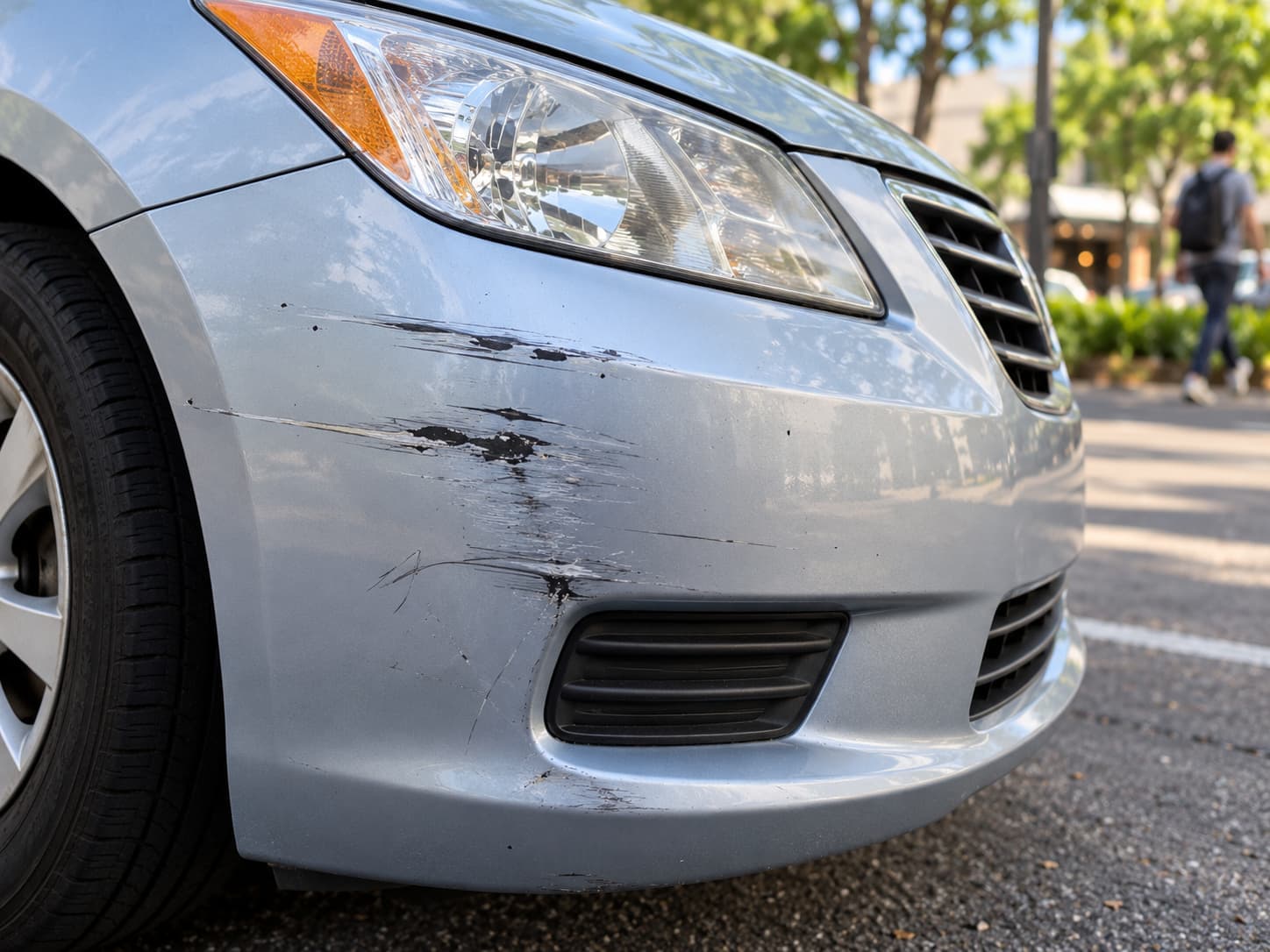
A vehicle with existing dents, scratches, cracked glass, or previous accident damage may still qualify for car insurance in Tulsa. Insurance companies consider the condition of the vehicle when reviewing an application, but minor damage doesn’t automatically prevent you from getting covered.
The type and extent of the damage can affect your available coverage options, particularly if you’re applying for comprehensive and collision insurance. In some cases, the insurance company may request photographs to document the vehicle’s condition before coverage begins.
Can You Get Car Insurance With Existing Vehicle Damage?
Yes. Many vehicles with existing damage can still be insured, depending on their condition and the insurance company’s requirements.
Cosmetic damage, such as scratches, small dents, or minor bumper damage, is generally different from damage that affects a vehicle’s safety or ability to operate. Insurance companies may consider both the severity of the damage and the coverage being requested.
Some common types of existing damage include:
- Dents and scratches: Cosmetic damage to doors, fenders, and exterior panels.
- Bumper damage: Scrapes, dents, or other damage from a previous incident.
- Windshield damage: Existing chips or cracks that may need to be documented.
- Unrepaired accident damage: Previous collision damage that hasn’t been fully repaired.
The presence of these issues doesn’t automatically determine whether a vehicle is eligible for insurance. The insurer reviews the vehicle’s condition and any additional information needed to evaluate the application.
How Pre-Existing Damage Affects Liability and Full Coverage
Existing vehicle damage can affect coverage options differently depending on the type of insurance you’re purchasing.
Liability insurance helps pay for covered injuries or property damage you cause to others. Since liability coverage doesn’t pay to repair your own vehicle, existing cosmetic damage generally has less impact on this type of coverage.
Full coverage typically combines liability insurance with comprehensive and collision coverage. These additional coverages help pay for qualifying damage to your own vehicle, making its condition more relevant during the application process.
A vehicle with existing damage may still qualify for comprehensive and collision coverage. Insurance companies may request photographs or additional information to document the damaged areas before confirming coverage.
This documentation helps establish the vehicle’s condition when coverage begins, allowing the insurer to distinguish previous damage from new damage if a claim is filed later.
Why Insurance Companies Request Photos of Existing Damage
Vehicle photographs help insurance companies establish the condition of a car before comprehensive or collision coverage begins.
When a vehicle has visible damage, an insurer may request photographs showing its exterior and the affected areas. Clear images of the damaged areas and the vehicle’s overall exterior can help document its condition before coverage begins.
Photos may be requested for several reasons:
- Documenting existing damage: Establishing which dents, scratches, or cracks were already present.
- Reviewing vehicle condition: Helping the insurer evaluate eligibility for comprehensive and collision coverage.
- Supporting future claims: Providing a record that can help distinguish previous damage from damage caused by a new incident.
Photo requirements vary by insurance company. Some applications may be completed without additional photographs, while others require them before certain coverages can take effect.
Providing clear, accurate information about the vehicle’s condition can help the insurance company complete its review.
How Existing Damage Is Handled in a Future Insurance Claim
Car insurance generally covers qualifying damage caused by incidents that occur after the applicable coverage becomes effective. Damage that was already present before coverage started is typically excluded from a new claim.
However, having previous damage doesn’t mean a vehicle loses protection against future covered incidents.
If the car sustains new damage, the insurance company reviews the circumstances of the claim and determines which repairs are associated with the covered event. Photographs, inspection records, and repair documentation can help establish the vehicle’s condition before the incident.
This is one reason documenting existing damage during the application process can be helpful. It creates a clearer record for evaluating future claims involving the same vehicle.
Getting Car Insurance for a Damaged Vehicle in Tulsa
If your vehicle already has damage, you can still explore insurance options based on its current condition and your coverage needs.
Before requesting a quote, have the vehicle’s basic information ready, including its year, make, model, and VIN. Be prepared to describe any visible damage and provide photographs if the insurance company requests them.
You can also review which coverage options are available for the vehicle, from Oklahoma minimum liability insurance to comprehensive and collision protection.
Cheapest Auto Insurance helps Tulsa residents find coverage for vehicles in different conditions, including those with existing damage. If you’re ready to get insured, you can compare auto insurance options in Tulsa and find a policy that fits your vehicle, coverage needs, and budget.