
Making your car payments on time is an important part of keeping your auto loan in good standing. Along with those monthly payments, lenders typically require you to maintain certain insurance coverage throughout the financing period.
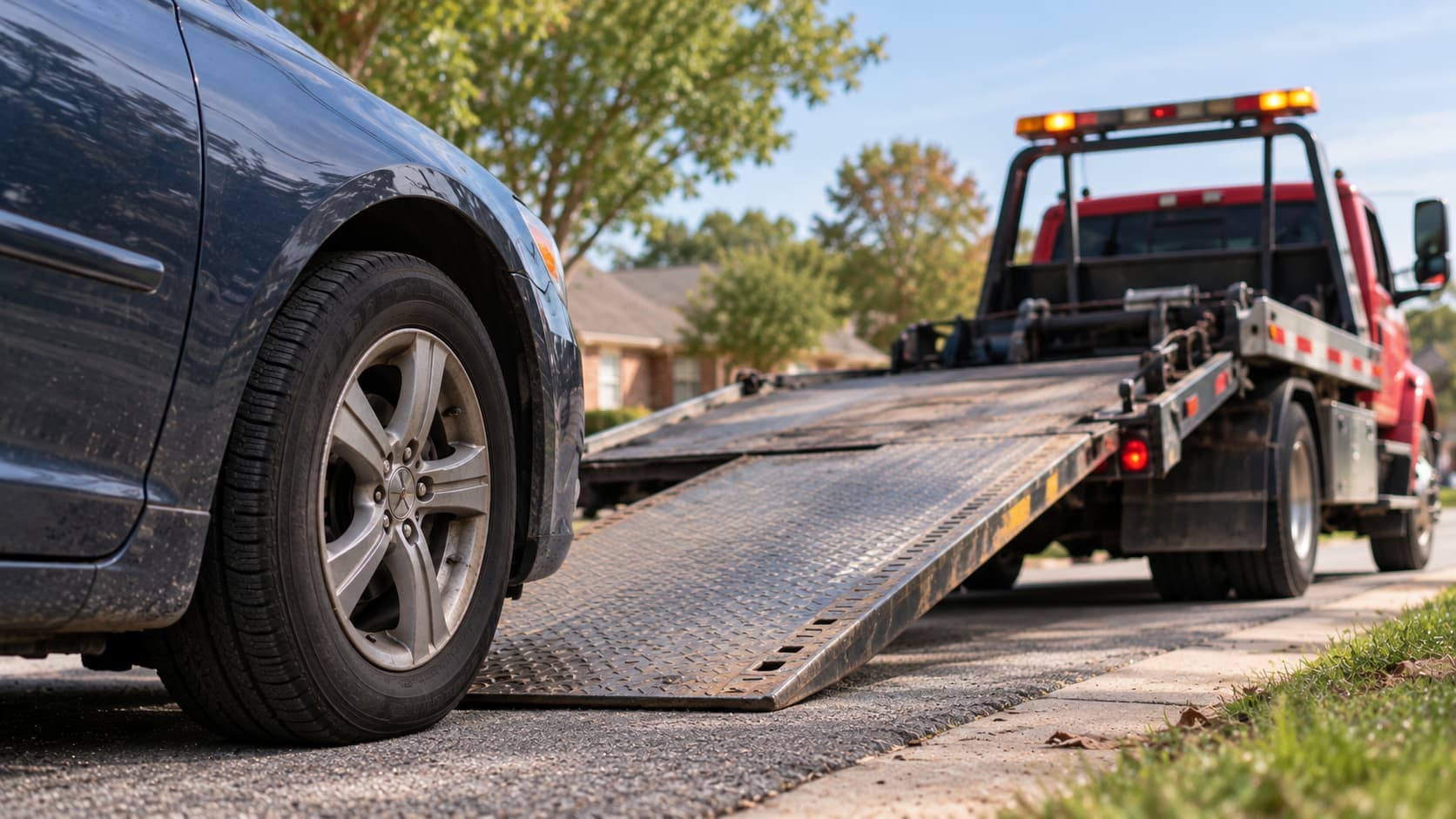
So, can your car be repossessed for not having insurance? Yes, a lender may have the right to repossess a financed vehicle if missing required insurance puts you in default under your loan agreement. Repossession is one possible outcome, and the lender may take other steps first. Understanding these requirements can help you address insurance issues before they become more serious.
Can a Lender Repossess Your Car for Not Having Insurance?
When you finance a vehicle, the car serves as collateral for the loan. Your financing agreement typically requires you to maintain certain insurance coverage to protect the lender’s financial interest in that vehicle.
Under Oklahoma Statutes, Title 12A, Section 1-9-609, a secured lender may generally take possession of collateral following a default, subject to applicable legal requirements.
If maintaining insurance is a condition of your financing agreement, allowing that coverage to lapse may constitute a default.
The lender’s response depends on the agreement and circumstances. Some lenders may first request updated insurance information or take other steps to address the missing coverage.
What Happens If Your Insurance Lapses on a Financed Car?
When required insurance coverage lapses, lenders have several possible ways to address the situation.
1. The lender may request proof of insurance.
You may receive a letter or notice asking you to provide updated insurance documents showing that your vehicle has the required coverage.
2. The lender may purchase force-placed insurance.
If the lender has not received verification of the required coverage, your financing agreement may allow it to purchase insurance and charge you for the cost.
According to the Consumer Financial Protection Bureau, force-placed insurance primarily protects the lender’s financial interest in the vehicle. It can cost more than a policy purchased independently and typically provides limited protection for the borrower. Maintaining your own policy with the required coverage gives you more control over your insurance options.
3. Repossession may become a possibility.
If the insurance lapse creates a default under your agreement, the lender may pursue repossession.
The timeline varies depending on the lender, financing agreement, and applicable laws. Contacting your lender promptly can help clarify your options and the steps needed to resolve the issue.
Can Your Car Be Repossessed Even If You’re Making Payments on Time?
Yes. Making your monthly car payments on time fulfills one important part of your financing agreement, while maintaining the required insurance is another responsibility.
A borrower could be completely current on payments and still be considered in default if the agreement requires insurance that has lapsed.
The Federal Trade Commission’s vehicle repossession guide explains how loan agreements establish default conditions and how applicable state laws affect repossession.
Keeping both your payments and required insurance current helps you meet your financing obligations.
What Insurance Do You Need to Keep a Financed Car?
Most lenders require financed vehicles to carry liability insurance along with comprehensive and collision coverage.
Liability insurance helps meet Oklahoma’s minimum insurance requirements, while comprehensive and collision coverage help protect the financed vehicle against covered damage or loss.
Liability-only insurance may satisfy Oklahoma’s minimum insurance requirements while falling short of your lender’s coverage requirements.
Your financing agreement may also specify acceptable deductibles and require accurate lienholder information on your policy.
For a closer look at these requirements, our guide to full-coverage insurance for financed cars in Oklahoma explains what lenders commonly expect.
What Should You Do If Your Lender Says You Don’t Have Insurance?
Receiving an insurance notice from your lender is a good reason to review your policy. Sometimes the issue involves a coverage lapse, while other situations involve missing or outdated insurance information.
If you recently switched insurance companies, your lender may still have your previous policy information on file. Providing an updated declarations page with the correct lienholder and vehicle information can help resolve the issue.
Here are five steps to help address the situation.
1. Check whether your current policy is active.
Contact your insurance company to verify your policy status, coverage types, and effective dates. Request an updated declarations page showing your current insurance information.
2. Review your lender’s insurance requirements.
Compare your policy with the lender’s requirements, including comprehensive coverage, collision coverage, deductibles, and lienholder information.
3. Restore or purchase coverage if needed.
If your policy recently lapsed, ask your insurance company whether reinstatement is available. Understanding how to reinstate car insurance after a lapse can help you review your options before comparing quotes for a new policy.
4. Submit updated proof of insurance.
Send your lender the requested insurance documents. Verify that the vehicle identification number (VIN), lienholder details, coverage types, and effective dates are accurate.
5. Confirm that your lender has updated its records.
Contact your lender to verify that your insurance documents were accepted and ask whether any additional action is needed.
If your policy was active throughout the period in question, ask about reviewing any force-placed insurance charges.
If your lender has already raised concerns about repossession, ask what steps are needed to bring your loan back into good standing. Confirm whether updated coverage, additional documentation, or other actions are required to fully resolve the issue.
Get Coverage for Your Financed Car in Oklahoma
Keeping your insurance up to date helps you meet your lender’s requirements and maintain your financing agreement. Whether you’re replacing a lapsed policy or reviewing your current coverage, taking action early can help you avoid potential complications with your auto loan.
If you need coverage for your financed vehicle, Cheapest Auto Insurance can help you compare affordable full coverage options in Oklahoma and find a policy that meets your lender’s requirements.