
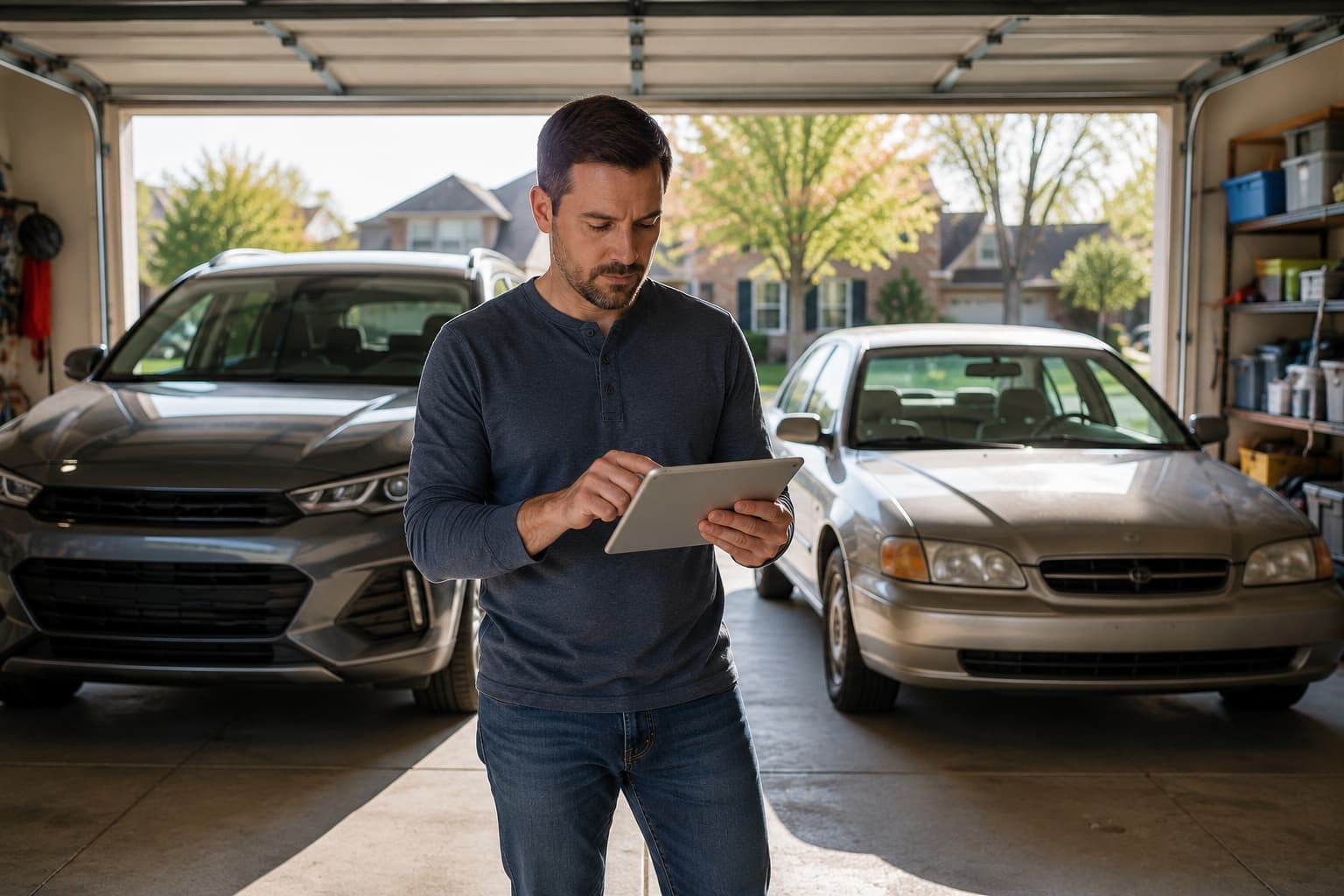
Buying a second vehicle is exciting, but many drivers are surprised when they request an updated insurance quote. Most people expect the cost to simply double—one car costs one amount, so two cars should cost twice as much.
That isn’t always how auto insurance works.
Adding another eligible vehicle can change the way an insurance company looks at the entire policy. Depending on the vehicles, drivers, coverage selected, and available discounts, the total premium may be different than you expected.
If you’re buying another vehicle, moving in with someone who already owns a car, or wondering whether combining policies makes sense, here’s why getting a new quote is worth the extra few minutes.
Why Does Adding a Second Vehicle Change Your Insurance Quote?
Insurance companies don’t always price each vehicle by itself. Instead, they often evaluate the policy as a whole.
When another eligible vehicle is added, several factors may be reviewed, including:
- Who will be driving each vehicle
- Whether the drivers live in the same household
- The year, make, and model of both vehicles
- Coverage selected for each vehicle
- Available multi-vehicle discounts
- Prior insurance history
- Payment options and policy structure
Because more information is being considered, the quote may change even if only one additional vehicle is being added.
The updated quote isn’t simply the price of one car plus the price of another. It’s a new calculation based on the entire policy.
Can Adding a Second Car Lower Your Insurance Premium?
Sometimes.
If two eligible vehicles qualify for a multi-vehicle discount, the overall premium may be lower than insuring both vehicles on separate policies.
That doesn’t mean adding another vehicle automatically saves money.
The final premium still depends on factors like:
- The drivers on the policy
- Driving history
- Vehicle values
- Coverage selected
- Where the vehicles are garaged
- Company underwriting guidelines
For some households, combining vehicles may reduce the total premium. For others, keeping separate policies may still make more sense.
The only way to know is to compare both options using the same drivers and coverage.
Do Both Cars Need the Same Coverage?
No.
One of the biggest misconceptions about multi-vehicle policies is that every vehicle must carry identical coverage.
In reality, each vehicle is usually insured based on its own situation.
For example, one household may own:
- A financed SUV that requires liability, comprehensive, and collision coverage because of lender requirements.
- A paid-off sedan that only carries liability coverage because the owner is comfortable paying for repairs out of pocket.
Both vehicles can often be insured on the same policy while carrying different coverages.
Matching the coverage to each vehicle helps create a policy that better fits how each vehicle is owned and used.
Should Couples or Family Members Combine Their Policies?
This question comes up more often than many people realize.
A couple moves in together.
Someone gets married.
Parents help insure a college student’s vehicle.
A family buys another car after a teenager starts driving.
These situations often lead people to wonder whether everyone should stay on separate policies or request a combined quote.
There isn’t one answer that fits every household, but it’s worth asking before assuming separate policies are less expensive.
When comparing the options, an insurance company may ask questions such as:
- Who owns each vehicle?
- Who regularly drives each vehicle?
- Does everyone live at the same address?
- Is either vehicle financed or leased?
- Does either vehicle require full coverage?
Those details help determine how the policy can be written and whether any available discounts apply.
Why Would Adding a Second Vehicle Increase My Quote?
A second vehicle doesn’t always lower the total premium.
Even when a multi-vehicle discount applies, the added vehicle still has to be insured.
Your quote may increase if:
- The second vehicle is newer or more expensive to repair.
- Comprehensive and collision coverage are added.
- Another driver increases the overall risk.
- The vehicle is used differently than expected.
- A discount no longer applies because of changes to the policy.
A higher premium doesn’t necessarily mean something went wrong with the quote.
It often means the insurance company now has a more complete picture of the vehicles, drivers, and coverage being insured.
What Information Should You Have Ready Before Getting a New Quote?
Providing complete information upfront helps create a more accurate quote and reduces the chances of changes later in the process.
Before requesting a quote, have the following available:
- VIN for each vehicle
- Year, make, and model
- Driver names and dates of birth
- Current insurance information, if available
- Desired coverage for each vehicle
- Lender information if a vehicle is financed or leased
If you’re combining vehicles from different policies, it’s also helpful to know who owns each vehicle and whether everyone lives in the same household. Small details like these can affect how the policy is written.
Is It Better to Compare One Quote or Two?
If you’re adding another vehicle, compare both options before making a decision.
One quote should show the cost of keeping the vehicles on separate policies.
Another should show the cost of insuring eligible vehicles together.
When comparing quotes, don’t focus only on the monthly payment. Make sure you’re comparing the same:
- Liability limits
- Deductibles
- Drivers
- Vehicle coverages
- Discounts
- Payment options
A quote with a lower premium isn’t necessarily the better value if it uses different coverage or leaves out important information.
Before You Keep Separate Policies
Buying another vehicle is a good time to review your insurance, even if you don’t plan on changing companies.
A second vehicle can change more than your monthly premium. It may affect available discounts, policy structure, and even how each vehicle is covered.
Before assuming separate policies are the better option, ask for a quote both ways. Comparing the two gives you a clearer picture of your choices and helps ensure you’re making a decision based on accurate information rather than assumptions.
At Cheapest Auto Insurance, we help Oklahoma drivers compare available options and explain how adding another eligible vehicle may affect their quote. Whether you’re buying your second car, combining household vehicles, or simply exploring your options, we’re here to help you find coverage that fits your needs and your budget.
Frequently Asked Questions
Does adding a second car always lower insurance?
No. Adding a second eligible vehicle may qualify for a multi-vehicle discount, but the total premium still depends on the drivers, vehicles, coverage selected, and underwriting guidelines.
Can two cars on the same policy have different coverage?
Yes. One vehicle may carry liability coverage only, while another carries liability, comprehensive, and collision coverage. Coverage is usually selected based on each vehicle’s value, ownership, and lender requirements.
Can my boyfriend’s or girlfriend’s car be added to my policy?
It may be possible depending on factors such as vehicle ownership, who regularly drives each vehicle, household information, and the insurance company’s underwriting guidelines.
Should I get a new quote after buying another vehicle?
Yes. A new quote reflects the additional vehicle, updated driver information, and any discounts that may apply. Comparing an updated quote before purchasing coverage can help you make a more informed decision.
Does a multi-vehicle discount apply to every household?
Not always. Eligibility varies by insurance company and depends on factors such as the vehicles, drivers, household, and policy details. A licensed insurance agent can explain whether a multi-vehicle discount may be available.